
Be Ready for Anything: 11 Must-Have Clinical Rotations Essentials
Are you about to start your clinical rotations and wondering what you actually need to bring? Don’t worry, I’ve been there. When I began mine, I was overwhelmed with lists, but quickly realized that only a few items truly make a difference. Here are the clinical rotations essentials you actually need.
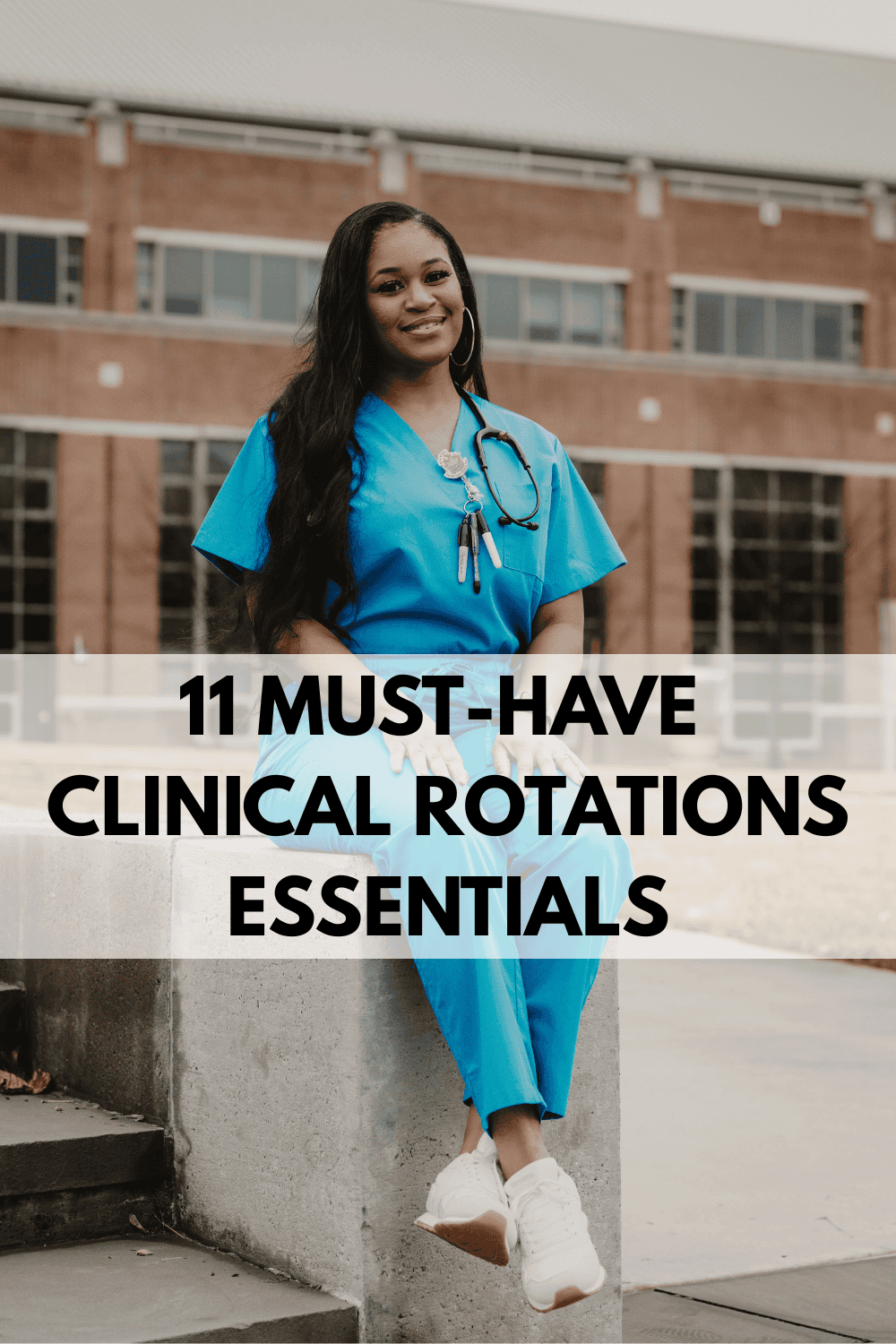
I’m sharing with you the 11 clinical rotations essentials that saved me during long hospital days. From must-haves like a stethoscope and clipboard to lifesavers like compression socks and pocket snacks, these are the things I used every single day.
Whether you’re getting ready for your first day or trying not to forget anything last-minute, this list will help you pack smart and feel confident. Let’s dive in!
This post is all about the best clinical rotations essentials every med student should own.
BEST CLINICAL ROTATIONS ESSENTIALS
1. Stethoscope
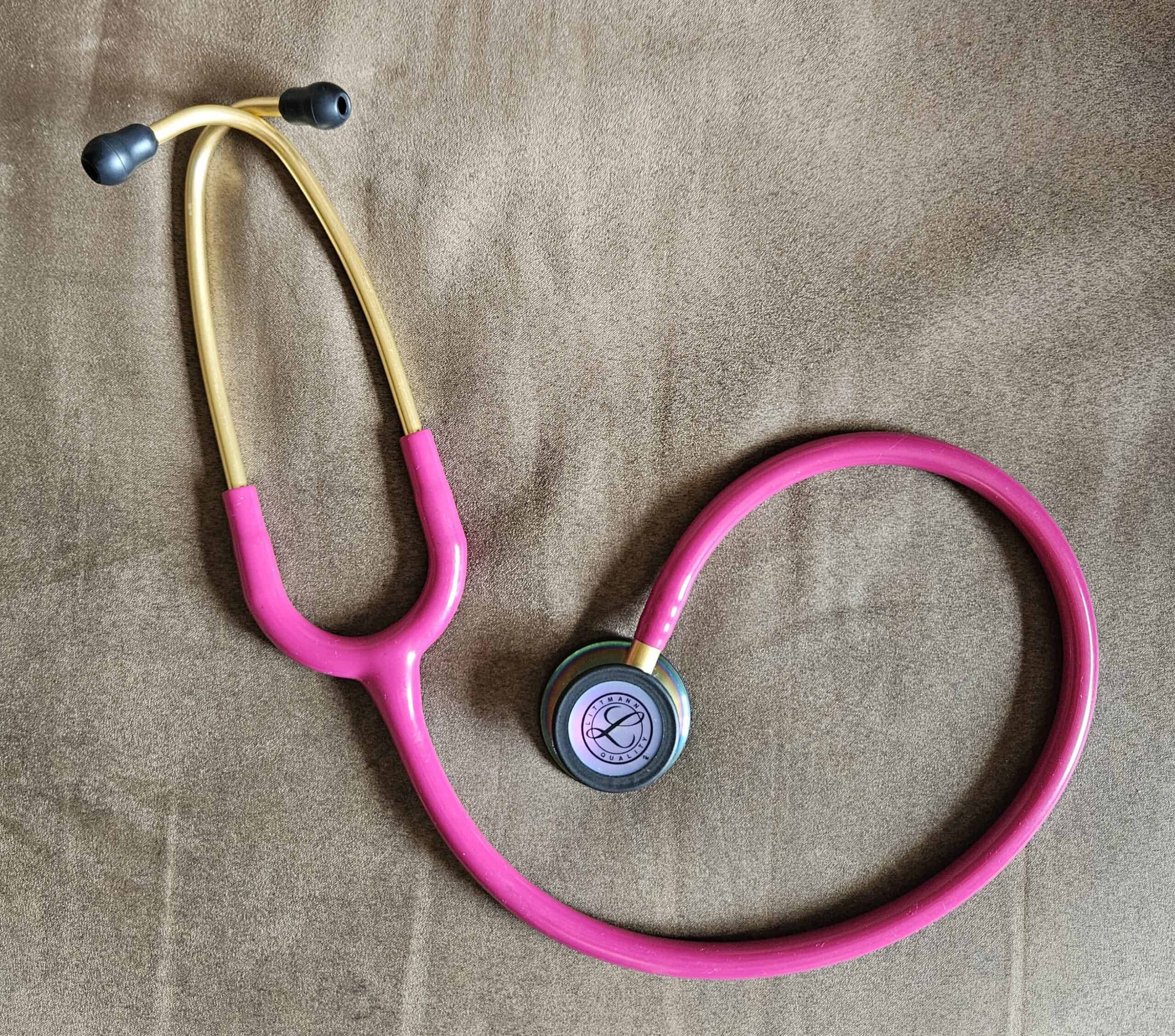
A good stethoscope is absolutely essential for your clinical rotations. It’s the tool you’ll use the most to examine patients and learn during your hospital shifts. You’ll constantly be asked to auscultate, take blood pressure, and check heart rates, so it’s crucial to invest in one that’s reliable and high quality. The Littmann Classic III is a favorite among med students (me included!) because of its excellent acoustics and long-lasting durability. Honestly, you’ll be using it all day, every day.
Pro tip: Personalize your stethoscope with an engraving or a small accessory. That way, if you ever misplace it—or someone else has the same model—you won’t lose it.
2. Clipboard
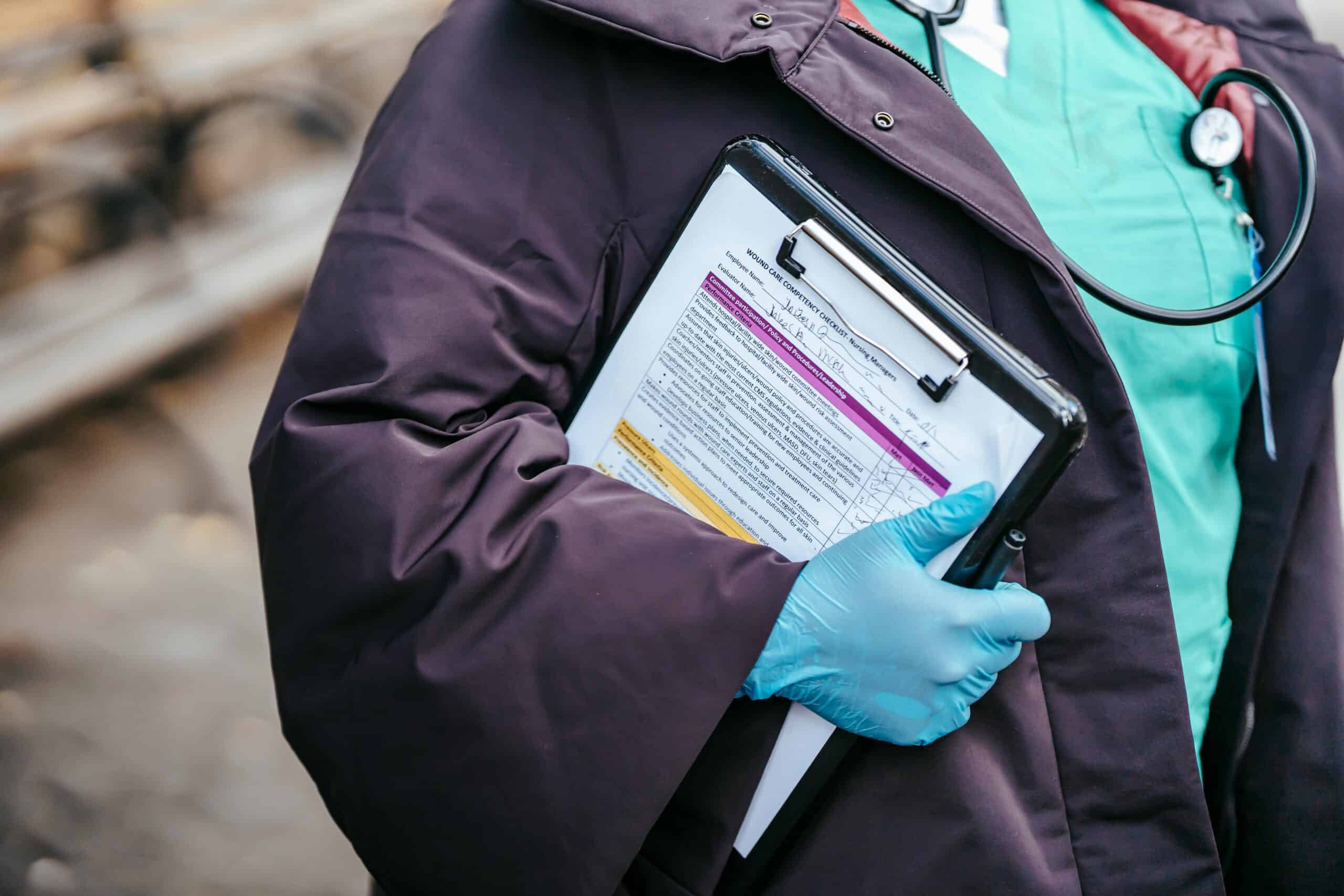
A clipboard is perfect for keeping your notes and paperwork organized while moving around the hospital. Look for one that’s compact, sturdy, and has built-in storage; it’ll save you from scrambling for papers under pressure.
This is the exact clipboard I’ve been using since the start of my clinical rotations—check it out on Amazon. It holds everything I need, and honestly, I’m a little obsessed with the color.
Practical tip: Some clipboards come with conversion tables or basic medical info printed inside, which is a super helpful bonus during clinical rotations.
3. Comfortable sneakers
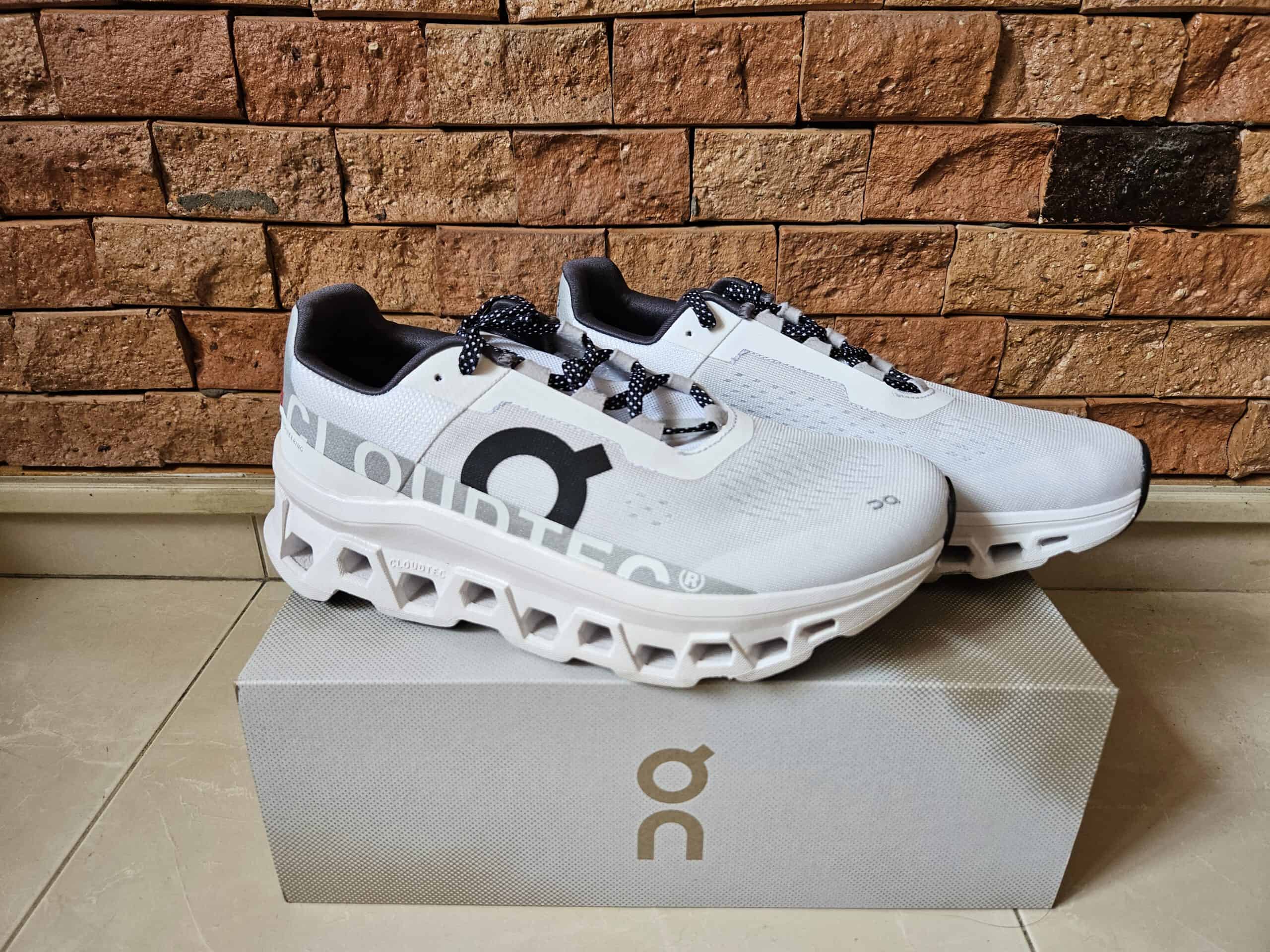
You’ll spend long hours standing, walking, and running around the hospital. Trust me, comfortable shoes are a must.
At first, I wore some basic Adidas sneakers that weren’t made for long shifts. By the end of the day, my feet were killing me.
Now I use two pairs I love: the Cloudmonster and the Hoka Bondi 9. They offer extra cushioning, amazing support, and a softer landing—making them perfect for long days on your feet. They’ve also helped a lot with my back pain.
4. Compression socks
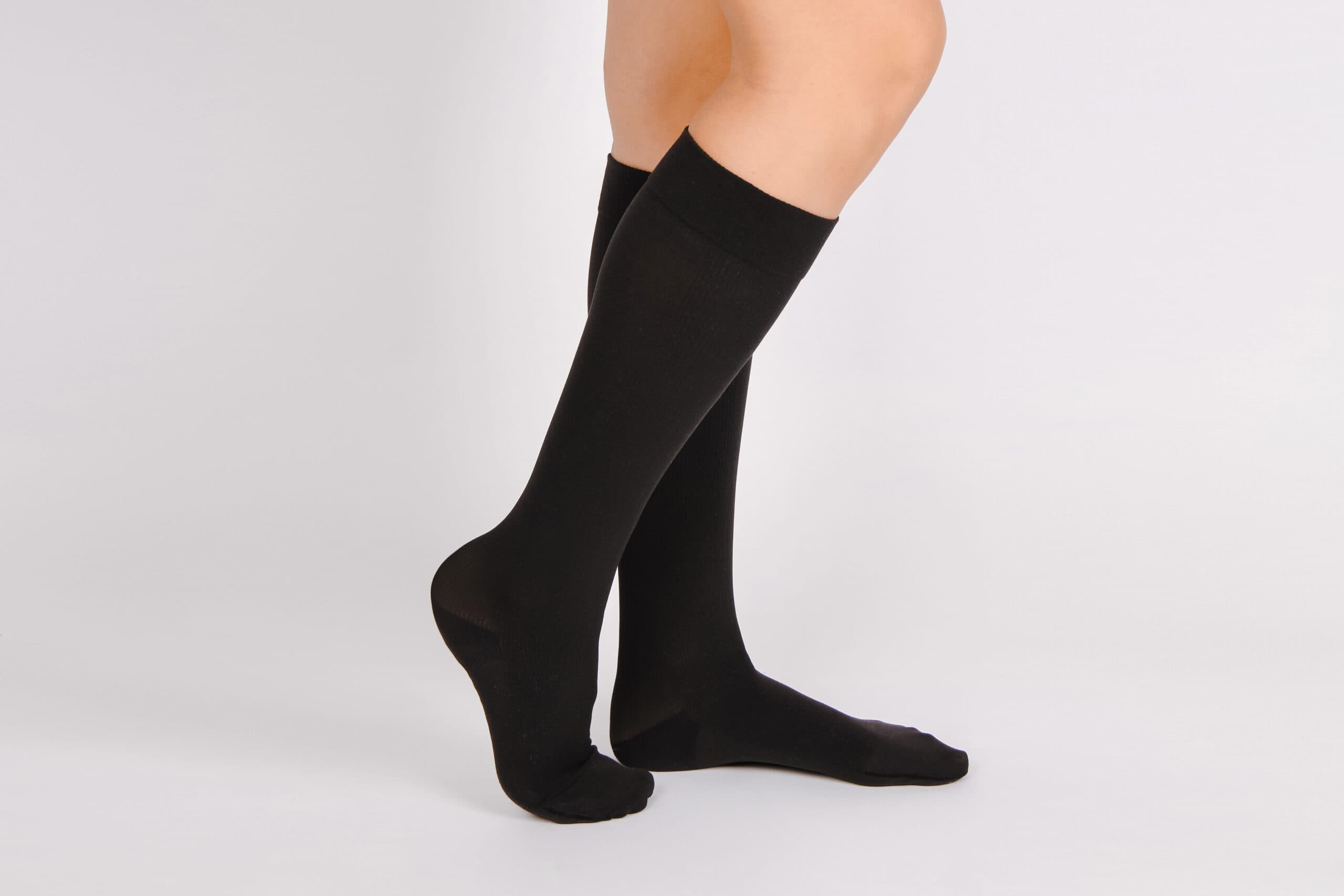
When I started going to the hospital, I quickly realized just how much time I’d be spending on my feet. My back started hurting, my legs swelling, and worse, I noticed I was developing varicose veins. I remember thinking, “I’m 22, there’s no way I’m this young and already seeing veins on my legs. I need to fix this NOW.”
Then I saw a classmate wearing compression socks and decided to try them. Best decision ever.
I wear them every morning, and by the end of the day, I feel less pain, no swelling, and no scary veins.
These are the ones I use and love—check them out on Amazon.
5. Warm jacket

Hospitals are cold. Like, “why-am-I-shaking-during-rounds” cold. The best thing you can do is bring a warm jacket.
Working while freezing is seriously uncomfortable. If you’re not a fan of the cold (same here!), definitely bring one. You’ll thank yourself later.
My go-to brand is Columbia—they make lightweight jackets that keep you warm without adding bulk. Check them out on Amazon if you want something practical and cute for clinical life.
6. Pens and Highlighters
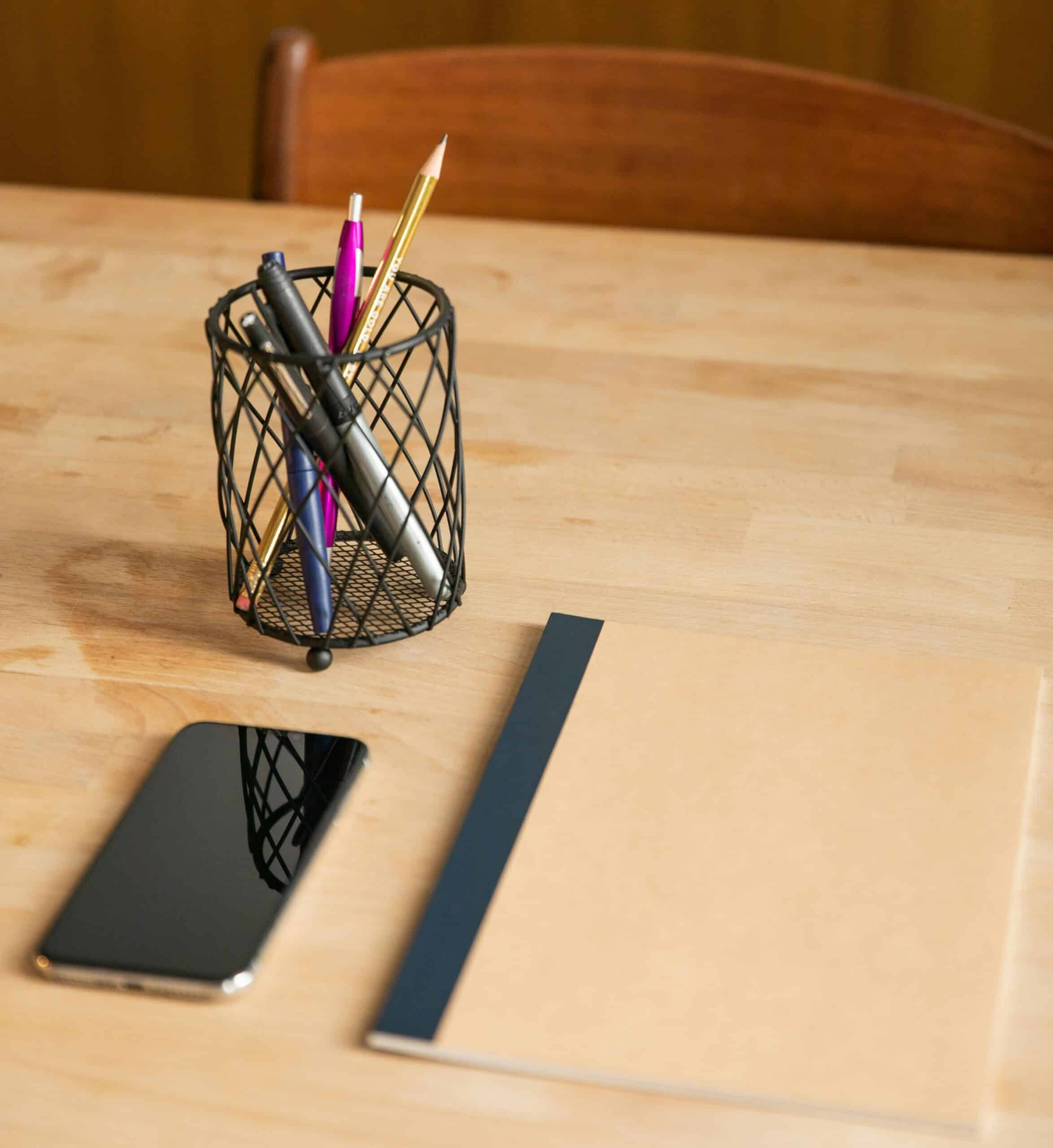
A set of pens and highlighters is essential for organizing your notes and marking key info in charts and study guides. Also, make sure you always carry backup pens. You’ll lose more than you think.
Let’s be real for a moment: pens vanish all the time. You lend one, and poof—it’s gone forever. That’s why I keep one clipped to my scrubs and another in my bag, just in case.
If you’re looking for a simple and practical set, here’s one I found on Target that could work well for you.
7. Pulse Oximeter
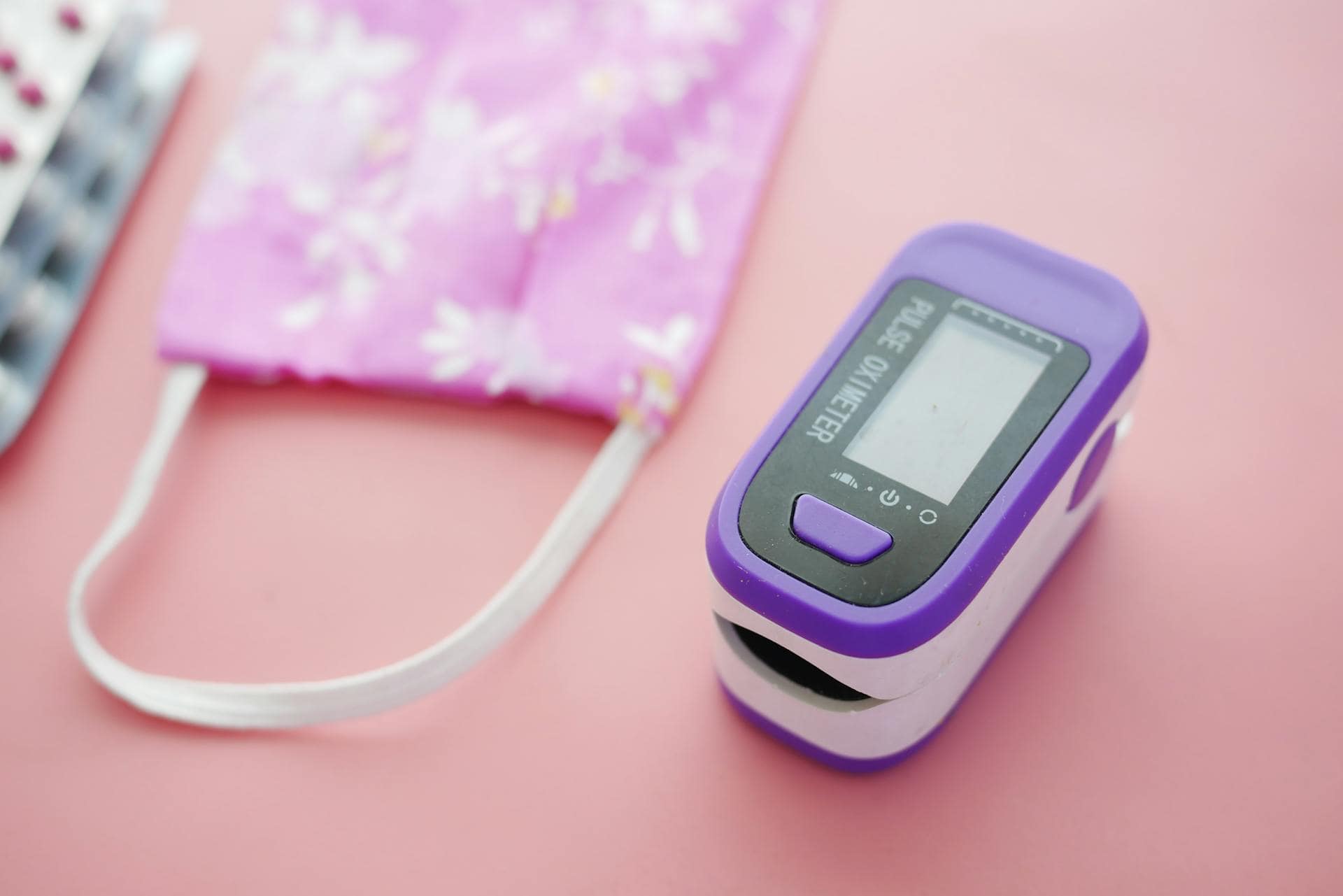
We all know this little device is used to measure oxygen saturation—a vital sign checked constantly during clinical rotations. But here’s the thing: in most hospital units, the shared oximeters are often in use, missing, or being passed around between patients.
Carrying your own is an excellent way to stay efficient and avoid delays. Having a personal pulse oximeter not only saves time, but it also shows initiative and allows you to stay one step ahead during clinical shifts or emergency cases.
8. WATER BOTTLE
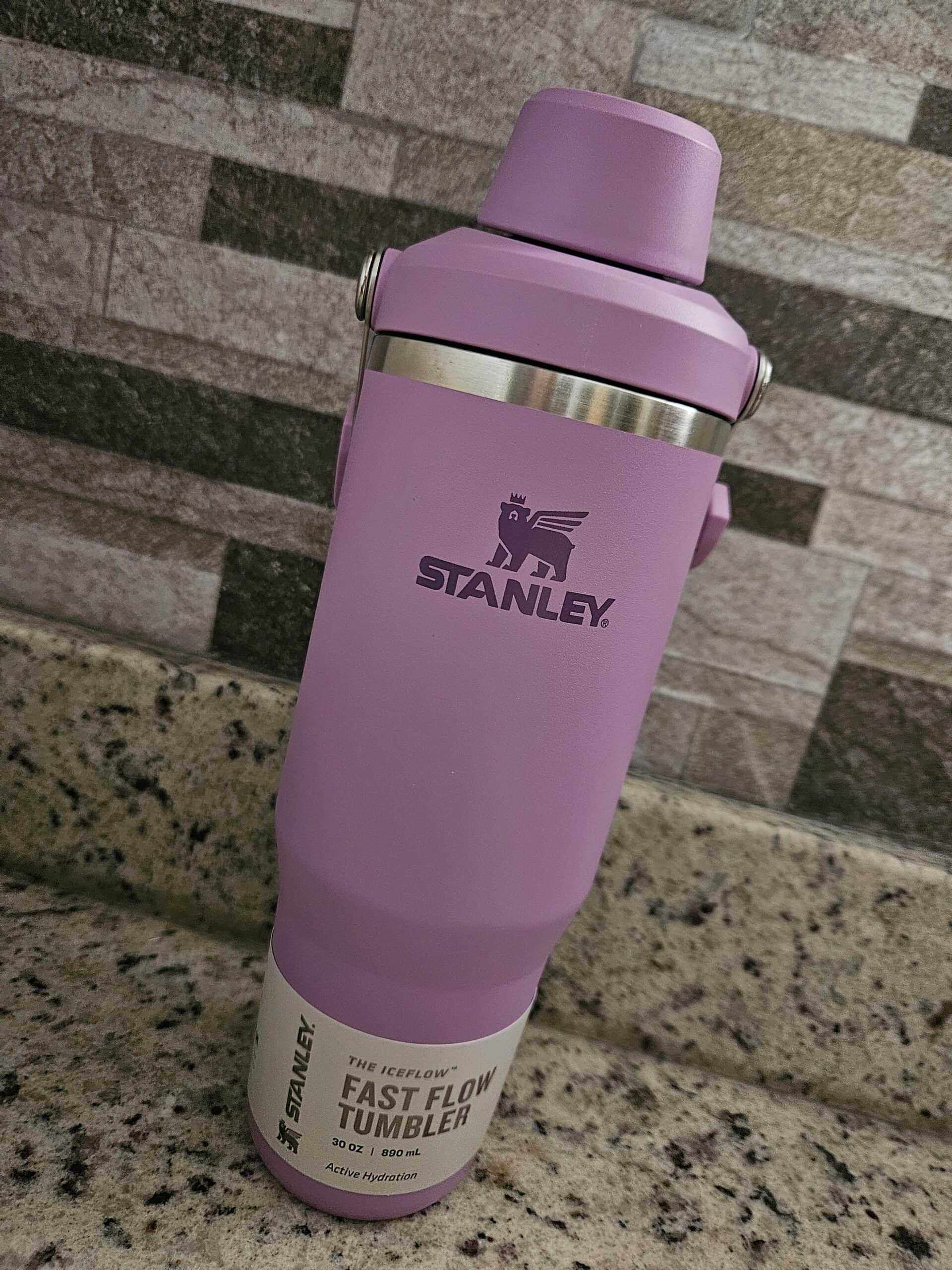
You’ll be walking nonstop—upstairs, downstairs, and across the entire hospital. Staying hydrated is a must.
I recommend bringing your own water bottle so you can sip throughout the day. It saves money and keeps you energized.
Personally, I’ve used both Stanley and Bubba bottles and loved them. I currently use a Stanley and highly recommend it — you can check it out on Amazon.
Avoid bottles with straws. Even if they have a lid, straws can collect germs—not ideal in a hospital setting. Go for a bottle with a spout and cap instead.
9. Phone
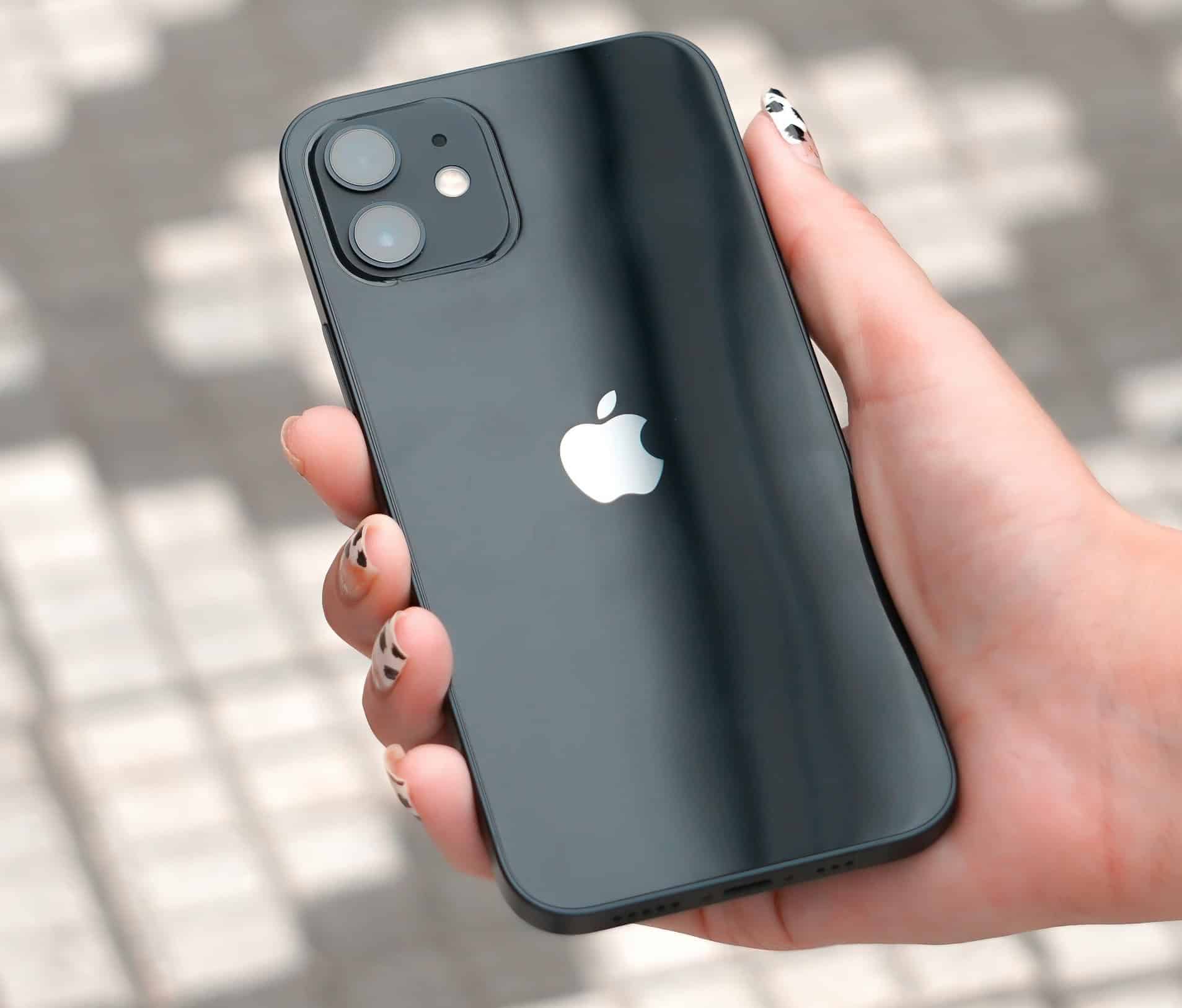
You’ll always have classmates around during rotations, but everyone’s constantly moving between areas and tasks.
If you need help, it’s way easier to text or call than to go searching across the hospital.
10. Tourniquet
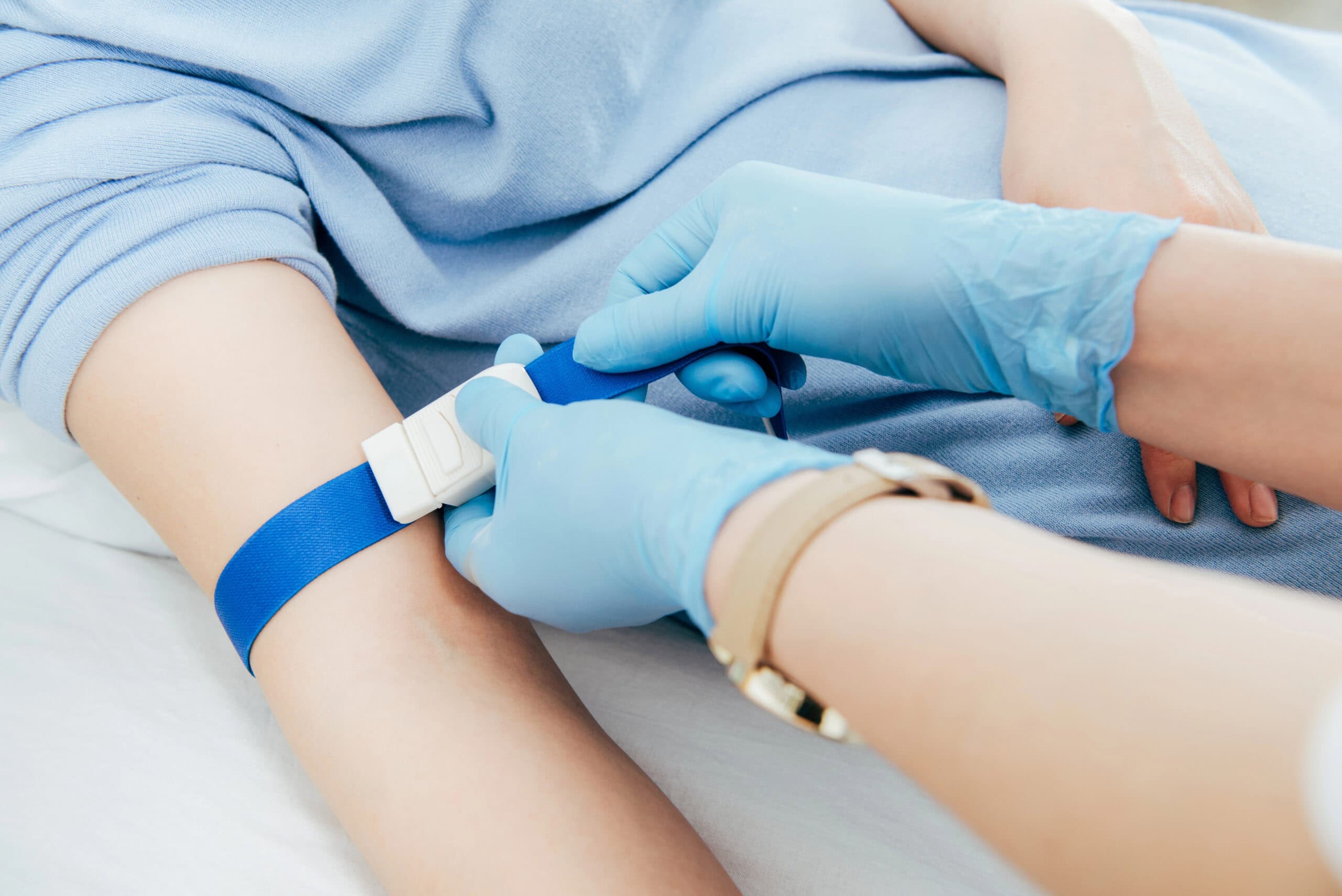
You’ll be taking blood samples all the time—it’s basically part of your daily routine in the hospital.
Some students use gloves as makeshift tourniquets (been there, done that lol), but it’s not ideal. Instead, get a reusable tourniquet. You can find packs under $10, and they’ll last through your entire clinical rotations and beyond.
11. Pocket Snacks
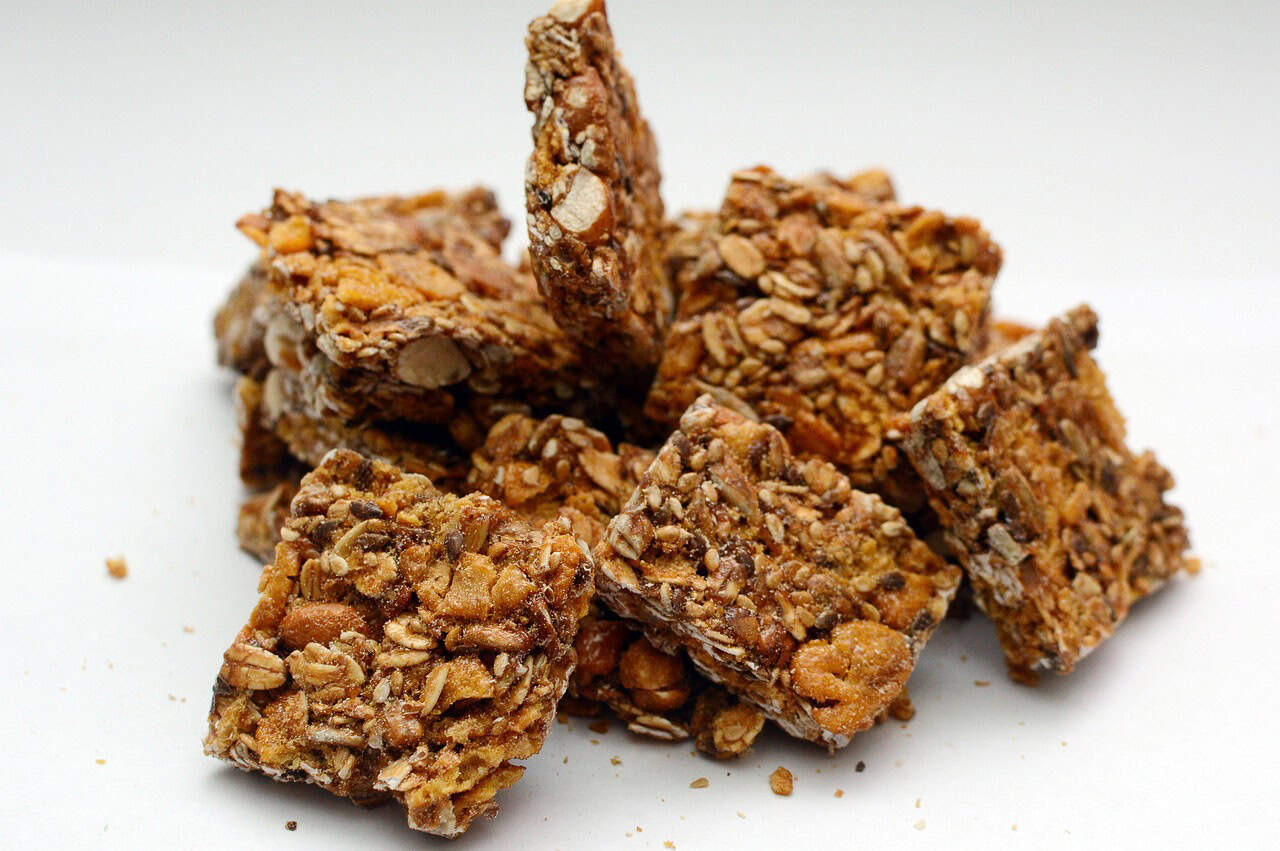
You’ll be running around all day, and yes, sometimes you’ll skip meals without even realizing it.
That’s why I always recommend carrying healthy pocket snacks. They keep your energy up and save you from crashing halfway through your shift.
Personally, I always carry granola bars in my pocket; my favorites are RXBAR and KIND. Both are super easy to store, and, best of all, they don’t have added sugars.
FINAL THOUGHTS
Starting clinical rotations is exciting, nerve-wracking, and honestly… a bit chaotic. But being prepared with the right tools can make a huge difference in how confident and capable you feel during those first days.
These are the clinical rotations essentials that helped me survive (and thrive!) in the hospital. I hope they do the same for you. Good luck in this exciting stage of your medical career!
Did I miss anything? Let me know what you consider essential—I’m always down to add more tips for fellow med students!